
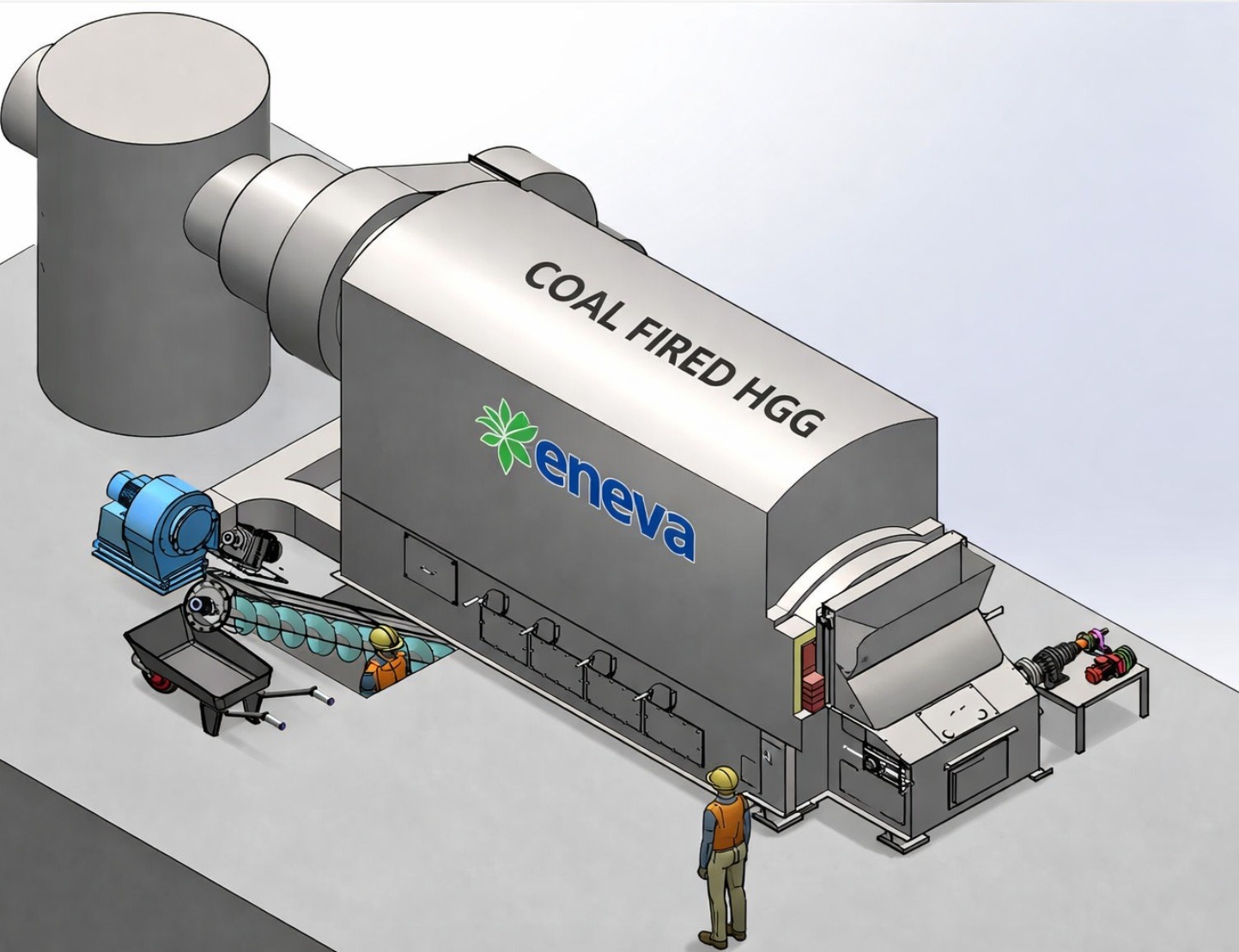
Hot Gas Generators
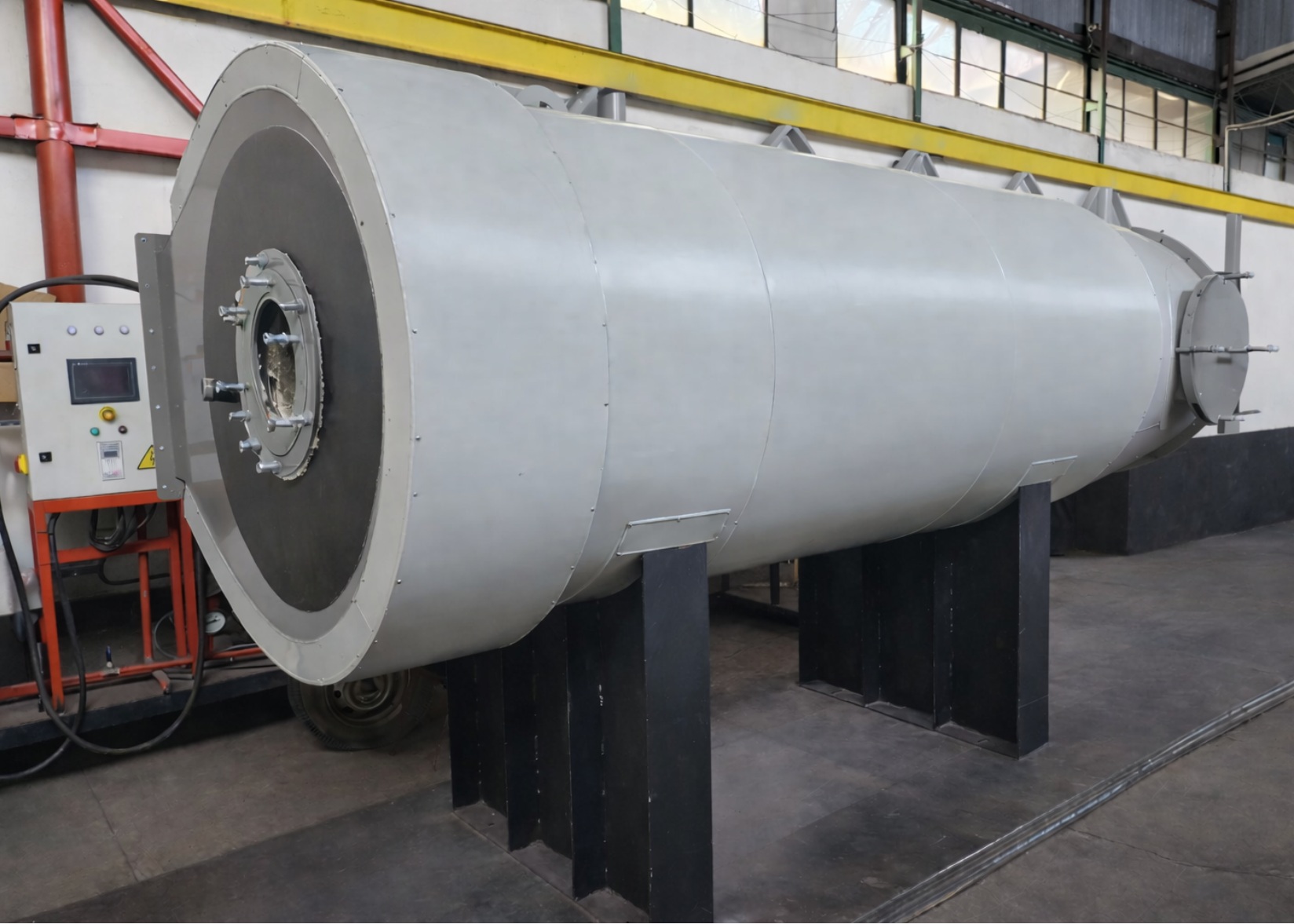
ENEVA hot gas generators are direct-fired systems designed for applications where the mixing of combustion products with process air is acceptable. These applications typically belong to heavy industry where hygienic requirements are not a concern.
These systems are specifically developed to meet high-capacity and reliable hot gas demands in industries such as cement, chemicals, and similar heavy industrial processes.
- Direct-fired high-efficiency hot gas generation
- Outlet gas temperatures of 500 °C and above
- High thermal capacity up to 30 MW per unit
- Improved efficiency through integration of process return air
In ENEVA hot gas generators, fuel is combusted under optimal conditions داخل a specially designed, cooled combustion chamber (furnace).
- Hot flue gases generated by combustion are mixed with cooling air flowing outside the combustion chamber to achieve the desired outlet temperature
- Outlet temperature is precisely controlled באמצעות the amount of cooling air introduced into the mixture
- The same cooling air also provides thermal protection by cooling the combustion chamber
- Minimal refractory design enables faster commissioning
- Lower maintenance costs compared to conventional refractory-lined units
Main application areas:
- Cement plants (cement, raw meal, and coal drying / grinding systems)
- Chemical and mineral processes (detergents, powder coatings, etc.)
- Ceramic factories (powder production via spray dryers)
- Brick and refractory manufacturing plants
In these applications, HGG systems provide advantages such as high capacity, simple operation, and reliable performance.
Hot Gas Generators – Technical Catalog (PDF)
Let’s Discuss the Most Suitable Hot Gas Solution for Your Process
For high-capacity and reliable hot gas needs without hygienic constraints, let’s evaluate the most suitable HGG solution together with the ENEVA engineering team.
Submit a Technical Request- Combustion chamber design based on fuel type and thermal load
- Optimized fluid dynamics in combustion and mixing zones
- Cooling air flow path design to limit metal temperatures
- Construction minimizing refractory requirements
Each system is engineered considering process gas flow rate, plant altitude, and required outlet conditions.
MATERIAL & DESIGN PHILOSOPHY
- High-temperature stainless steels in combustion chamber and cooling components
- Carbon steel, stainless steel, or alloyed body structure בהתאם to process conditions
- Refractory-free or minimal refractory design
- Advanced mechanical solutions for thermal expansion
- Low heat loss through external thermal insulation
This structure ensures both safe operation and low maintenance costs.
CONTROL & SAFETY SYSTEMS
- Gas outlet temperature control and safety sensors
- Metal surface temperature monitoring elements
- Airflow and pressure / vacuum monitoring equipment
- Automatic safety shutdown scenarios
- PLC-based control and monitoring infrastructure